
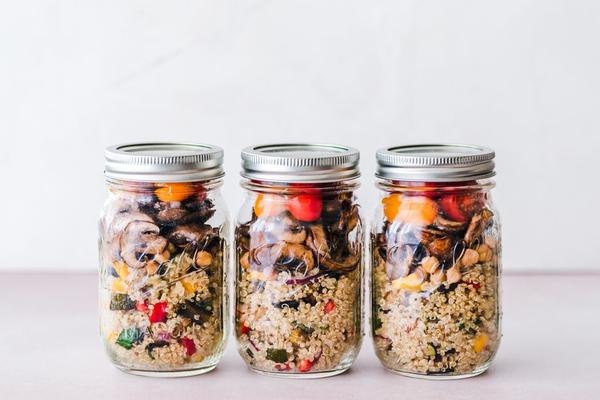
Meal prep does not have to mean filling a fridge with identical lunches on Sunday night. For beginners, a smaller approach works better: prepare a few ingredients or meals that remove difficult weekday decisions. A cooked grain, a tray of vegetables and one protein can become several different dinners.
The best beginner system fits realistic schedules, limited fridge space and food that reheats well. Start with two or three days, learn what you enjoy eating later, and expand only when the routine saves time.
Decide What Problem Meal Prep Should Solve
Before buying containers or writing a long shopping list, identify the moment when food plans usually fall apart. Perhaps mornings are rushed, lunch near the office is expensive, or cooking after the commute leads to takeaways. Prep that specific meal first.
Someone who eats breakfast at home but struggles with evening meals might prepare two dinners and chop ingredients for a third. A commuter may get more value from three portable lunches. This focused approach prevents a beginner session from becoming an exhausting all-day cooking project.
Use a Simple Meal-Building Formula
A practical meal can be built from a protein, a starchy carbohydrate, vegetables and a flavour element. The NHS Eatwell Guide encourages balance across the day or week rather than demanding perfect proportions at every plate, which makes it well suited to flexible batch cooking.
For example, roast chicken or chickpeas can be paired with brown rice, peppers and courgettes. Change the flavour with yoghurt and herbs one day, curry sauce the next, or a spoonful of pesto with salad. One set of components can create different prep ahead meals without requiring separate recipes.
Plan Three Meals, Not Twenty-One
Choose a short menu before shopping. A good first week might include overnight oats for two breakfasts, a lentil and vegetable soup for three lunches, and a traybake that covers two dinners. Leave space for fresh cooking, leftovers, social plans and an easy freezer meal.
Check cupboards, the freezer and use-by dates before making the list. Then group ingredients that can serve more than one dish. Spinach can go into omelettes, curry and pasta; roasted vegetables can become a side, wrap filling or soup base. This reduces waste and keeps the food bill controlled.
Choose Containers for the Food You Make
You do not need a matching collection of expensive meal prep containers. Begin with a few leak-resistant boxes in useful sizes, plus small pots for dressings or snacks. Clear containers make forgotten food easier to spot, while stackable shapes use small UK fridges more efficiently.
Glass handles tomato-based sauces and reheating well but is heavier for commuting. Lightweight plastic is convenient, provided it is food-safe and suitable for the microwave or freezer as stated by the manufacturer. Do not microwave a sealed lid, and replace badly scratched or warped boxes.
Build an Efficient Prep Session
Read every recipe before starting and arrange tasks by cooking time. Put a tray in the oven first, start rice or potatoes, then prepare ingredients that need no cooking. While food cooks, wash utensils and portion snacks. This overlapping method is faster than completing one dish before beginning another.
A 60-minute beginner session could produce a vegetable traybake, four portions of couscous and a pan of turkey mince or lentils. Portion two complete meals, keep some components separate for variety, and freeze anything that will not be eaten promptly.
Follow UK Food-Safety Basics
Safe cooling and storage matter as much as the recipe. The Food Standards Agency advises cooling cooked leftovers and placing them in the fridge within two hours. Eat refrigerated leftovers within two days or freeze them. Label containers with the food and date so you are not relying on memory.
Reheat leftovers only once and make sure they are steaming hot throughout. Stir microwave meals midway because cold spots can remain, especially in rice, sauces and dense portions. Follow packet instructions and take extra care with cooked rice: cool it quickly, refrigerate it promptly and use it within the recommended time.
Keep Texture and Flavour Fresh
Not every ingredient should be assembled in advance. Store dressings separately from salads, add nuts just before eating and keep bread away from wet fillings. Slightly undercook vegetables that will be reheated so they do not become soft.
Fresh finishing ingredients make repeated meals feel different. Lemon juice, herbs, spring onions, chilli sauce or toasted seeds can change the same bowl in seconds. Healthy meal prep is easier when the food still feels enjoyable on day three.
Use the Freezer as Part of the System
The freezer is useful for soups, chilli, curry, cooked beans, pasta sauces and individual portions of casserole. Freeze food once it has cooled, use containers that leave room for expansion, and label portions clearly. Defrost according to the recipe or manufacturer’s guidance, preferably in the fridge when time allows.
Keep one or two emergency meals rather than filling every shelf. A frozen portion used on a late work night is still successful meal prep, even if it was cooked several weeks earlier.
Avoid the Most Common Beginner Mistakes
Preparing too much is the fastest route to food boredom and waste. Another mistake is choosing five unfamiliar recipes that require different ingredients and long cooking times. Start with foods you already like and one new idea at most.
Do not make portions automatically huge because a container has empty space. Serve an amount that suits your appetite, then add fruit, yoghurt or another snack if needed. It is also sensible to keep flexible staples such as eggs, frozen vegetables, tinned beans and wholemeal wraps for days when the planned meal no longer appeals.
Frequently Asked Questions
How many days should a beginner meal prep for?
Start with two or three days. This is easier to manage, keeps more foods at their best and helps you learn which meals store well before committing to a full week.
Is meal prep cheaper than cooking every day?
It can be, particularly when ingredients overlap across meals and planned portions reduce takeaways and waste. Savings disappear if you buy specialist ingredients that are used only once or prepare food you do not enjoy.
Can meal-prepped food be eaten cold?
Some cooked food can be eaten cold when it was cooked properly, cooled safely and refrigerated within two hours. Check recipe and packet guidance, especially for meat, rice and products that are intended to be reheated.
What are the easiest foods to batch cook?
Soups, chilli, curry, grain bowls, pasta sauces and traybakes are beginner-friendly because they portion easily and often freeze well. Keep delicate salad ingredients and crunchy toppings separate until serving.
Make the Routine Smaller Than You Think
Successful meal prep is not measured by the number of boxes in the fridge. It works when tomorrow’s meal becomes easier without turning today into a marathon. Pick one pressure point, plan a short menu and prepare a few versatile components safely.
After two or three weeks, review what was eaten, wasted or missed. Keep the parts that genuinely helped and drop the rest. A modest system that fits your kitchen and schedule will last far longer than an ambitious routine you dread repeating.