
Protein has moved from the sports-nutrition aisle into almost every part of the UK supermarket. NielsenIQ reported that sales of protein-focused foods grew by 9.6% over a recent 26-week period in early 2026. Protein supports tissue growth and repair, helps maintain muscle and can make meals more satisfying. Yet a useful high protein foods list does not need expensive bars, powders or heavily marketed products.
Strong everyday choices include eggs, yoghurt, chicken, fish, beans, lentils, tofu and cottage cheese. Spread them across breakfast, lunch, dinner and snacks rather than relying on one oversized evening meal.
How Much Protein Do You Need?
For a generally healthy adult, a common UK reference point is about 0.75g of protein per kilogram of body weight per day. That is roughly 45g for someone weighing 60kg and 56g for someone weighing 75kg. Needs differ with age, pregnancy, illness, recovery and training, so seek personalised advice when necessary.
More is not automatically better. A balanced diet still needs vegetables, fruit, wholegrain carbohydrates and healthy fats. NHS guidance recommends including beans, pulses, fish, eggs, meat or other protein sources as part of an overall varied diet, while limiting frequent reliance on processed meat.
High Protein Breakfast Foods
Eggs
One medium egg provides roughly 7g of protein. Two eggs on wholemeal toast create a practical breakfast, while boiled eggs are convenient on busy mornings.
Skyr and Greek-Style Yoghurt
Plain skyr commonly provides around 15g to 17g per 150g serving, while Greek-style yoghurt may supply about 10g to 12g, depending on the product. Dedicated high-protein pots can reach around 20g. Compare labels because products vary widely.
Milk and Fortified Soya Drink
A 200ml glass of semi-skimmed milk contains around 7g of protein. Unsweetened fortified soya drink can provide a similar amount, making it one of the more useful plant-based alternatives. Oat, almond and coconut drinks are often much lower in protein.
Best High Protein Foods for Lunch
Chicken and Turkey
Skinless chicken or turkey breast is a lean option for sandwiches, salads, wraps and grain bowls. A cooked portion can easily contribute more than 20g of protein, depending on weight. Batch-cook chicken with herbs, then use it across two lunches.
Tuna, Salmon and Sardines
Tinned fish is one of the easiest UK cupboard staples. Tuna works well in a jacket potato, while sardines or salmon add useful fats. NHS guidance recommends two portions of fish a week, including one portion of oily fish. Canned tuna does not count as oily fish under UK guidance, although it remains a convenient protein source.
Cottage Cheese
Cottage cheese typically provides around 10g to 12g of protein per 100g. It works with tomatoes, cucumber and crackers or as a baked-potato topping. Check salt levels and choose a version that fits your overall diet.
Beans, Lentils and Chickpeas
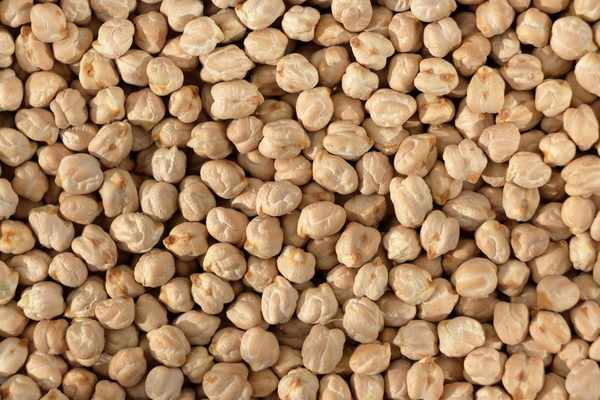
Half a drained can of kidney beans, chickpeas or lentils generally supplies about 7g to 10g of protein, plus fibre. Combine pulses with wholegrains and vegetables for a filling lunch. They are especially useful when building a lower-cost high protein foods list from UK supermarket basics ranges.
High Protein Dinner Choices
Lean Beef, Pork and Lamb
Lean red meat delivers protein, iron, zinc and vitamin B12, but it should not dominate every dinner. UK guidance advises people eating more than 90g of red or processed meat a day to reduce their average intake to 70g. Rotate lean cuts with fish, poultry and plant proteins.
White Fish and Prawns
Cod, haddock, pollock and prawns provide substantial protein without needing rich sauces. Frozen fillets and prawns can be better-value buys than fresh versions and reduce waste because you cook only what you need.
Tofu, Edamame and Mycoprotein
Firm tofu, edamame and mycoprotein-based mince broaden the list beyond meat. Around 70g of tofu may provide roughly 8g to 10g of protein, while edamame and many mycoprotein products are higher. Press tofu before cooking, season it well and pair it with rice, noodles or vegetables.
High Protein Snacks That Are Practical
Good high protein snacks should be easy to portion, not simply confectionery with added protein. Try a boiled egg, a small skyr pot, cottage cheese with fruit, roasted chickpeas, a glass of milk, edamame or a small handful of unsalted peanuts. Nuts and seeds contain protein but are energy-dense, so a modest portion is usually enough.
Protein bars can be useful during travel or after a rushed workout, but compare the nutrition panel. Some are close to chocolate bars in calories, saturated fat or sweeteners. Their main advantage is convenience, not nutritional superiority.
A Realistic One-Day Protein Example
Consider a 70kg adult using roughly 53g as a basic reference. Breakfast could be two eggs with wholemeal toast, lunch a jacket potato with half a tin of tuna, and dinner a lentil and chicken curry. A plain skyr snack could take the total comfortably beyond the reference amount without a shake. Portion sizes and brands change the final number, so use the back-of-pack protein figure when accuracy matters.
Natural internal linking opportunities include high-protein breakfast ideas, a beginner’s guide to macronutrients and healthy meal-prep recipes.
How to Shop Smarter for Protein
Start with price per serving, not the biggest protein claim. Eggs, dried lentils, tinned beans, milk, frozen fish and own-label yoghurt often offer better value than premium snacks. Read protein per 100g alongside the suggested portion, then check salt, saturated fat and added sugar.
Keep a mixture of quick and cook-from-scratch options at home: eggs and yoghurt in the fridge, beans and tuna in the cupboard, and chicken portions, fish fillets or edamame in the freezer. That simple system makes it easier to include protein at each meal without repeatedly buying costly food-to-go products.
Frequently Asked Questions
What food has the most protein?
Lean meats, poultry, fish and some specialist dairy products are among the most concentrated everyday sources. The best choice still depends on portion size, cost, dietary preference and the rest of the meal.
Can I get enough protein without meat?
Yes. Vegetarian options include eggs and dairy, while vegan protein sources include tofu, soya foods, mycoprotein, beans, lentils, chickpeas, edamame, nuts and seeds. Variety helps provide a broad range of amino acids and nutrients.
Are protein powders necessary for building muscle?
No. Resistance training and sufficient total food intake matter more than owning a supplement. Powder can be convenient, but many people can meet their needs through ordinary meals. Anyone with kidney disease or another medical condition should seek professional advice before major dietary changes.
What is the cheapest high protein food in the UK?
Dried lentils, tinned beans, eggs, milk and supermarket own-label yoghurt are usually strong budget options. Prices change, so compare cost per portion rather than cost per pack.
Building a Better High Protein Routine
The best high protein foods list is the one you can afford, enjoy and use repeatedly. Build meals around ordinary protein sources, spread them through the day and keep enough variety to support a balanced diet. The 2026 protein boom may be filling shelves with new products, but dependable staples remain the smartest starting point for most UK households.