
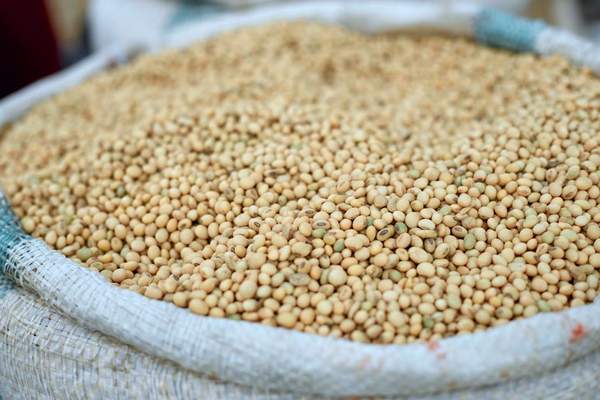
High-protein eating is everywhere right now, but it is not limited to chicken, eggs or dairy. A well-planned vegan diet can provide plenty of protein using everyday UK supermarket foods. Lentils, beans, tofu, soya yoghurt, wholegrains, nuts and seeds all contribute, and the total builds surprisingly quickly across meals and snacks.
The key is variety rather than chasing one “perfect” food. Different plant foods bring different amino acids, along with fibre, vitamins, minerals and healthy fats. By spreading protein-rich choices through the day, most people can meet their needs without relying on expensive powders.
How much protein do you need?
UK guidance uses a reference intake of around 0.75 grams of protein per kilogram of body weight per day for healthy adults. Someone weighing 70 kilograms would therefore need roughly 52.5 grams daily. This is a general benchmark rather than a personalised target, and requirements vary with body size and individual circumstances.
Instead of focusing too heavily on one number, consider the overall pattern of your meals. Including a meaningful source of plant based protein two or three times a day, plus smaller contributions from grains, vegetables, nuts and seeds, makes the target easier to reach. People with higher needs or medical concerns should seek advice from a registered dietitian.
The best vegan protein sources in UK supermarkets
Lentils, beans and chickpeas
Pulses are among the most practical vegan protein sources UK shoppers can buy. Tinned chickpeas, kidney beans, butter beans and lentils are affordable, shelf-stable and easy to add to soups, curries, salads, wraps and pasta sauces. They also provide fibre, which supports digestive health and helps meals feel satisfying.
Dried pulses are usually cheaper per portion, although they need longer preparation. Tinned versions are ideal for busy days; drain and rinse them if you want to reduce some of the added salt. Red lentils are especially convenient because they cook quickly and blend naturally into dahls, soups and sauces.
Tofu, tempeh and edamame
Soya foods are some of the most protein-rich choices in a vegan diet plan. Firm tofu works well in stir-fries, curries, traybakes and scrambled-style breakfasts, while silken tofu can be blended into sauces or desserts. Tempeh has a firmer texture and nutty flavour, and edamame is an easy addition to rice bowls, noodles and salads.
Protein content varies by brand, so check the nutrition label. Firmer tofu often contains more protein per 100 grams than softer varieties because it holds less water. Choosing calcium-set tofu can also support calcium intake, another nutrient that deserves attention on a vegan diet.
Seitan and mycoprotein
Seitan, made from wheat gluten, is naturally high in protein and has a chewy texture suited to sandwiches, stews and meat-free dishes. It is not suitable for people with coeliac disease or gluten intolerance. Mycoprotein products can also be useful, but some contain egg or milk, so always confirm that the label says vegan.
Nuts, seeds and nut butters
Peanuts, almonds, pumpkin seeds, hemp seeds, chia seeds and tahini add protein in smaller but useful amounts. Stir them into porridge, sprinkle them over salads or blend them into sauces. Peanut butter on wholemeal toast is a simple example that combines protein from nuts and grains.
Nuts and seeds are energy-dense, so a modest portion is usually enough. They also contribute unsaturated fats and minerals. Choose unsalted versions most often, especially when the rest of your diet includes packaged foods.
Wholegrains and higher-protein carbohydrates
Carbohydrate foods are often overlooked as protein sources. Oats, wholemeal bread, wholewheat pasta, quinoa, brown rice and other grains all add to your daily total. Quinoa is described as a complete protein because it supplies all nine essential amino acids, but ordinary foods such as bread and oats still make a meaningful contribution.
This is why meals built around tofu and legumes work so well. Chickpea curry with brown rice, lentil soup with wholemeal bread, or tofu stir-fry with noodles combines several food groups without complicated planning.
Do vegan proteins need to be combined?
You may have heard that plant proteins must be carefully combined at every meal. For most healthy people, that is unnecessary. Eating a varied selection of foods across the day is generally enough. Beans with grains, hummus with bread and peanut butter with toast are useful combinations, but they do not have to appear together every time.
A complete protein contains all essential amino acids in adequate proportions. Soya foods are a strong example, while other plant foods may be lower in one particular amino acid. Variety solves this naturally. Rotating pulses, grains, nuts, seeds and soya products matters more than memorising pairings.
How to build a high-protein vegan day
Start with protein at breakfast rather than trying to catch up at dinner. Porridge made with fortified soya milk, topped with peanut butter and seeds, is more substantial than oats made with water alone. At lunch, try lentil soup, a chickpea wrap or tofu salad. Dinner could be bean chilli, tempeh stir-fry, lentil bolognese or tofu curry.
Snacks can help too. Roasted chickpeas, soya yoghurt, edamame, hummus with vegetables or a small handful of nuts are convenient options. Protein powders are not essential for most people, though they may help some athletes or people struggling to eat enough. They should support a balanced diet, not replace it.
Important nutrients beyond protein
Protein is only one part of a healthy vegan diet. UK guidance highlights the need to plan for vitamin B12, vitamin D, iodine, calcium, iron, selenium and omega-3 fats. Vitamin B12 is particularly important because dependable vegan sources are usually fortified foods or supplements. Fortified plant milks, cereals and nutritional yeast may contribute, but amounts vary.
Choose unsweetened, calcium-fortified plant drinks where possible, and check whether they also contain vitamin B12 and iodine. Soya milk usually provides more protein than many oat, almond or coconut drinks, although brands differ. A varied diet plus appropriate fortified foods or supplements helps cover the nutritional gaps that protein-focused eating can miss.
Frequently asked questions
What is the highest-protein vegan food?
Seitan is among the most protein-dense vegan foods, while tempeh, firm tofu, soya mince and some vegan mycoprotein products also provide substantial amounts. The best choice depends on allergies and preferences.
Can vegans get enough protein without supplements?
Yes. Most people can meet their needs through pulses, soya foods, grains, nuts, seeds and meat alternatives. Supplements may be convenient in certain situations, but they are not automatically required.
Is tofu a complete protein?
Yes. Soya protein contains all nine essential amino acids, making tofu, tempeh and edamame useful complete protein options.
Which plant milk has the most protein?
Soya milk is usually one of the highest-protein widely available options in UK supermarkets. Pea-based drinks may also be relatively high, while almond, oat and coconut drinks often contain less. Compare labels because recipes vary.
A balanced approach to vegan protein
Finding good vegan protein sources in the UK is less about specialist products and more about using everyday foods consistently. Build meals around lentils, beans, tofu, tempeh or other protein-rich staples, then add wholegrains, vegetables, nuts and seeds. With variety, sensible portions and attention to fortified foods, a vegan diet can be both protein-sufficient and enjoyable.