
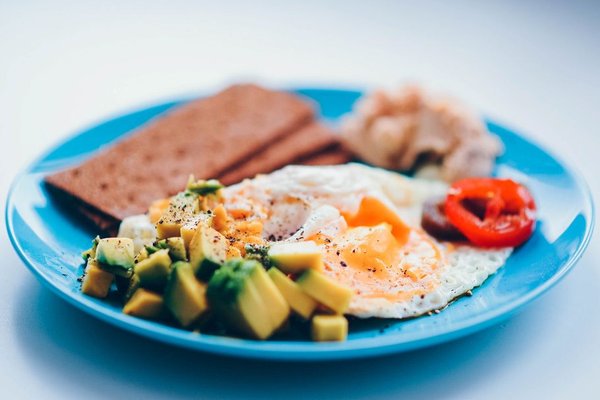
Gaining weight in a healthy way is less about chasing the biggest calorie number and more about making each meal work harder nutritionally. If your appetite is small, simply eating much larger portions can feel unrealistic. A better approach is to choose calorie-dense healthy foods that add energy, protein, vitamins and minerals without making every plate enormous.
For adults who need to gain weight, the NHS suggests doing it gradually and notes that adding around 300 to 500 extra calories a day may be a useful starting point. Your needs will vary with your size, activity and health, so treat that as a general guide. If you have lost weight suddenly or without trying, speak to your GP rather than relying on diet changes alone.
What makes a high-calorie food a healthy choice?
A food can be high in calories without being especially nutritious. Cakes, sweets and sugary drinks provide plenty of energy, but the NHS advises against relying on them for weight gain. For nutritious weight gain, focus more often on foods that combine energy with protein, unsaturated fats, fibre, calcium, iron or other useful nutrients.
Fat is particularly useful because it is energy dense. Nuts, seeds, avocado and vegetable oils can raise the calorie content of a meal with relatively little extra volume. Protein also matters, so include eggs, dairy, fish, beans, pulses, tofu, meat or suitable alternatives across the day.
Healthy high-calorie foods to keep in a UK kitchen
Nuts, nut butters and seeds
Almonds, walnuts, cashews, peanuts and mixed nuts are compact and naturally high in energy. Peanut or almond butter can be stirred into porridge, spread on toast or added to a smoothie. Seeds such as pumpkin, sunflower, chia and sesame are easy to sprinkle over yoghurt, cereal or soup, while tahini adds energy to hummus, dressings and sauces.
Avocado, olive oil and rapeseed oil
Avocado works well on toast, in sandwiches, with eggs or in salads. Olive and rapeseed oils are even easier calorie boosters: add a drizzle to pasta, potatoes, vegetables or soup. Because oils are energy dense, a small amount can increase a meal’s calories without greatly increasing its size.
Dairy and fortified alternatives
Milk, yoghurt and cheese provide protein and calcium as well as calories. Higher-energy versions can be useful in porridge, sauces, puddings and snacks when weight gain is the goal. Many cheeses and full-fat dairy foods are high in saturated fat, however, so balance them with unsaturated-fat foods such as nuts, seeds and oily fish. If you avoid dairy, choose plant alternatives fortified with calcium and, where possible, with useful protein.
Oats, granola and dried fruit
Oats are inexpensive, filling and easy to enrich. Cook porridge with milk, then add nut butter, banana, seeds or dried fruit. Granola can also be calorie dense, although brands vary in added sugar. Dried fruits such as raisins, dates and apricots contain less water than fresh fruit, so their energy is concentrated into a smaller serving.
Eggs and oily fish
Eggs provide protein in a compact portion and work in omelettes, on toast or in rice dishes. Oily fish such as salmon, sardines, trout and mackerel provides protein plus omega-3 fats, making it a useful option for higher-energy lunches and dinners.
Beans, lentils, hummus and tofu
Plant-based foods for weight gain can be made more energy dense by pairing them with rice, pasta, flatbreads, avocado or oil-based sauces. Hummus works well with pitta, crackers or sandwiches, while tofu can be stir-fried with oil and served with noodles or rice.
Turn ordinary meals into higher-energy meals
The easiest strategy is often to upgrade food you already eat. Stir nut butter into breakfast, add grated cheese or olive oil to a baked potato, spread hummus or avocado into a sandwich, or serve yoghurt with granola and seeds.
For example, someone who struggles with a large evening meal could spread extra energy across the day: porridge made with milk and peanut butter at breakfast, a cheese-and-avocado sandwich at lunch, and yoghurt with nuts in the afternoon. That can feel much easier than forcing down an oversized dinner.
High-energy snacks when appetite is small
Smaller meals and snacks can be more manageable than three very large meals. Useful high energy snacks include yoghurt with granola, toast with peanut butter, cheese and crackers, hummus with pitta, a banana with nut butter, or nuts with dried fruit.
Drinks can help too. A smoothie made with milk or a fortified alternative, yoghurt, oats, nut butter and fruit can add substantial energy between meals. The NHS advises against filling up on drinks before meals if that reduces your appetite, so have nourishing drinks between meals rather than immediately beforehand.
Keep the overall diet balanced
Healthy weight gain still benefits from variety. Include starchy carbohydrates, fruit and vegetables, protein foods, and dairy or fortified alternatives rather than concentrating only on fats. This helps increase energy intake without missing important nutrients. Useful related topics to explore include healthy weight gain, high-protein meal ideas and balanced snacks.
FAQ
What are the healthiest high-calorie foods for weight gain in the UK?
Useful choices include nuts, nut butters, seeds, avocado, olive or rapeseed oil, yoghurt, cheese, oats, dried fruit, eggs, oily fish, hummus and other pulses. These provide calories alongside useful nutrients such as protein, healthy fats, fibre, vitamins or minerals.
How many extra calories should I eat to gain weight?
The NHS suggests that adults trying to gain weight gradually could try adding around 300 to 500 calories a day. Individual needs vary, so your progress, appetite and health should guide adjustments.
Are high-calorie shakes a good idea?
They can be helpful when appetite is limited, especially between meals. Homemade shakes can combine milk or a fortified alternative, yoghurt, oats, nut butter and fruit. Medical nutritional supplements are different and are best used with advice from a doctor or dietitian when clinically needed.
When should I see a GP about low weight or weight loss?
Speak to a GP if you have lost weight suddenly, are losing weight without trying, have persistent poor appetite, or are concerned about an underlying condition or eating problem. Unexpected weight loss should be assessed rather than treated only by adding calories.
A practical way to start
Choose two small changes you can repeat every day, such as adding nut butter to breakfast and planning one snack between lunch and dinner. Once those habits feel easy, add another calorie boost. Gradual, consistent changes are usually more comfortable than oversized meals and can make healthy weight gain easier to sustain.