
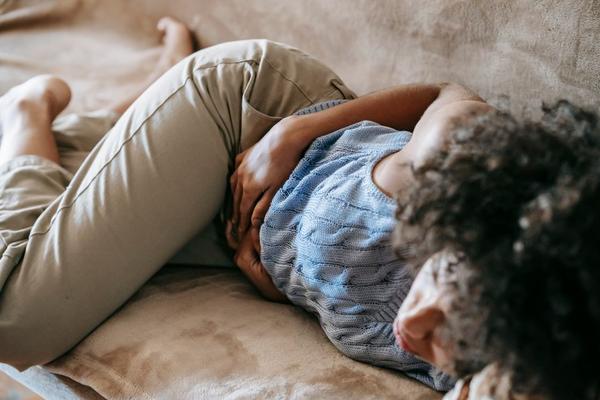
Period pain can range from a mild ache to cramps that make it difficult to work, sleep, exercise or concentrate. For many people, the discomfort is strongest just before or at the start of bleeding and settles within a few days. The medical term is dysmenorrhoea. Although period cramps are common, pain that is severe, suddenly different or disruptive to everyday life deserves attention rather than being dismissed as something you simply have to tolerate.
What causes period pain?
During a period, the muscular wall of the womb contracts to help shed its lining. Chemicals called prostaglandins are involved in these contractions and can contribute to pain and inflammation. This helps explain why cramps are often strongest during the first day or two of bleeding.
When there is no underlying pelvic condition, this is known as primary dysmenorrhoea. Secondary dysmenorrhoea means menstrual pain is linked to another condition. Possible causes include endometriosis, adenomyosis, fibroids and pelvic inflammatory disease. An intrauterine device can also make period pain more noticeable, particularly during the first few months after it is fitted.
Period pain relief you can try at home
For mild to moderate pain, simple measures can make a real difference. Heat is an easy place to start. A wrapped hot-water bottle or heat pad on the lower abdomen can be soothing, while a warm bath or shower may provide similar comfort. Gentle movement such as walking, swimming, stretching, cycling or yoga can also help some people feel less stiff and crampy.
Massage may be useful, especially when the ache spreads into the lower back. Try slow, gentle pressure rather than pressing hard into a painful area. Rest can help too, but you do not necessarily need to stay in bed all day. Alternating rest with light movement often feels more manageable.
If your cycle is fairly predictable, preparing in advance can make the first painful hours easier. For example, someone who usually develops cramps on the morning their period starts could keep a heat pad and suitable pain relief ready, eat something, stay hydrated and use an appropriate over-the-counter medicine according to the packet instructions rather than waiting until the pain becomes overwhelming.
Using painkillers safely
Over-the-counter medicines such as ibuprofen or paracetamol are commonly used for period pain relief. Ibuprofen is a non-steroidal anti-inflammatory drug, or NSAID, and can be particularly useful for cramps because it reduces prostaglandin production. However, NSAIDs are not suitable for everyone.
Check the medicine leaflet and ask a pharmacist or GP if you are unsure what is safe for you. Ibuprofen or aspirin may not be suitable if you have certain stomach, kidney, heart or liver problems, and some people with asthma also need to avoid them. Aspirin should not be taken by anyone under 16. Do not exceed the recommended dose or combine medicines containing the same active ingredient.
If pharmacy medicines do not control the pain, a GP can discuss other treatments. These may include prescription anti-inflammatory medicines. Hormonal contraception, such as certain pills, injections, implants or hormonal intrauterine systems, can also reduce menstrual pain for some people. The right option depends on your medical history, symptoms, contraceptive needs and preferences.
When period pain should be checked by a GP
Severe pain does not always mean there is an underlying condition, but a change in your normal pattern can be important. See a GP if your periods become more painful, heavier or irregular, or if period pain regularly stops you doing your usual activities. You should also seek advice if you have pain during sex, when passing urine or when opening your bowels, or if you bleed between periods.
Other symptoms worth discussing include persistent abdominal swelling, loss of appetite, unexplained weight loss, or noticeable changes in bowel or bladder habits. These symptoms can have many causes, but they should not automatically be put down to period cramps.
When to get urgent help
Ask for an urgent GP appointment or contact NHS 111 if your pelvic or period pain is severe or worse than usual and painkillers have not helped. Seek urgent advice if you may be pregnant and have pelvic pain, particularly with unusual bleeding. Severe or worsening pelvic pain with fainting, dizziness, heavy vaginal bleeding, breathing difficulty or shoulder-tip pain can require emergency assessment.
Keep a symptom diary if the pain keeps returning
A simple diary can make a GP appointment much more useful. Record when the pain begins, how long it lasts, where you feel it, how intense it is, what period pain remedies you tried and whether they worked. Note any changes in bleeding, pain during sex, bowel or bladder symptoms, and whether you missed work, school or normal activities.
You do not need a complicated app. Notes on your phone over two or three cycles can show whether the problem is stable, worsening or linked to other symptoms. It can also help when a clinician is considering conditions such as endometriosis. Related reading on menstrual cycle symptoms, heavy periods and endometriosis symptoms can give useful context while you track your own pattern.
FAQ about period pain relief
How long does normal period pain usually last?
Period pain commonly begins just before or around the start of bleeding and often lasts for up to about three days. Patterns vary, but pain that lasts much longer, becomes progressively worse or feels very different from your usual cramps should be discussed with a healthcare professional.
Does heat really help menstrual pain?
Heat is a commonly recommended self-care option. A warm bath, shower, heat pad or wrapped hot-water bottle may ease cramps. Keep the temperature comfortable enough to avoid burning the skin and follow the safety instructions for any heating device.
Can exercise help period cramps?
Gentle exercise can help some people. Walking, swimming, cycling, stretching or yoga may reduce stiffness and improve how you feel. There is no need to force a hard workout when you are in pain; choose movement that feels comfortable and stop if symptoms get worse.
What if painkillers are not enough?
If period pain remains severe despite appropriate over-the-counter treatment, affects daily life or is getting worse, book a GP appointment. A clinician can review possible causes, discuss prescription medicines or hormonal treatment, and arrange tests or a gynaecology referral if needed.
Finding the right level of care
Useful period pain remedies do not have to be complicated. Heat, gentle activity and suitable over-the-counter medicine are reasonable first steps for many people. The key is noticing whether your symptoms fit your usual pattern and whether self-care is actually working. Persistent, worsening or disabling menstrual pain deserves proper assessment. If there is an underlying cause, identifying it can open the door to more effective long-term treatment.