
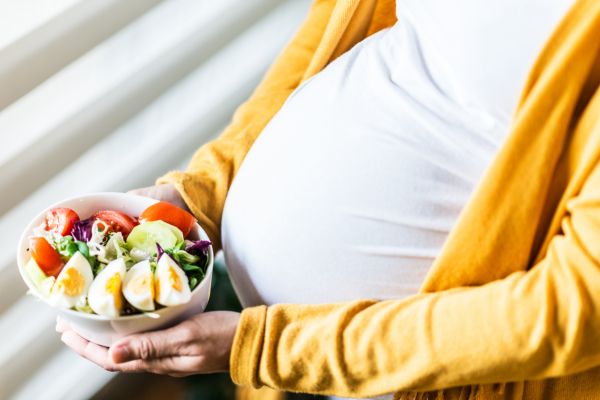
Pregnancy is one of those rare times in life when your body is doing something quietly extraordinary, every single day. Beneath the surface, systems are shifting, nutrients are being redirected, and a new life is forming with remarkable precision. It’s no surprise, then, that what you eat during this time matters more than ever. Understanding pregnancy nutrition essentials isn’t about strict rules or perfection—it’s about supporting your body with the nourishment it genuinely needs.
The idea isn’t to eat for two in the literal sense. It’s to eat with intention, awareness, and a little more care than usual.
Understanding the Changing Nutritional Needs During Pregnancy
From the earliest weeks, your body begins adapting to support your baby’s growth. Blood volume increases, hormones fluctuate, and metabolic demands rise. These changes mean that certain nutrients become more important than they were before.
In the first trimester, appetite might not even cooperate. Nausea, food aversions, and fatigue can make eating feel like a challenge. But even in small amounts, nutrient-dense foods help. As pregnancy progresses into the second and third trimesters, energy needs gradually increase, and so does the importance of a balanced diet.
Rather than focusing on quantity alone, the emphasis should remain on quality. Nutrients now play a dual role—supporting your own health while also contributing to your baby’s development.
The Role of Protein in Supporting Growth
Protein becomes a quiet hero during pregnancy. It supports tissue growth, helps build your baby’s organs, and contributes to the development of muscles and cells.
Including sources like eggs, lentils, beans, dairy, poultry, and fish can make a noticeable difference. Even small additions—like a handful of chickpeas in a salad or a glass of milk—add up over the course of a day.
There’s no need to dramatically change your diet overnight. It’s often about making thoughtful swaps or adding one extra protein-rich element to your meals.
Why Iron Becomes Essential
Iron plays a key role in producing hemoglobin, which carries oxygen in your blood. During pregnancy, your blood volume increases significantly, and your need for iron rises along with it.
Low iron levels can lead to fatigue and, in some cases, anemia. Foods like spinach, red meat, lentils, and fortified cereals are helpful sources. Pairing iron-rich foods with vitamin C—like adding lemon juice or eating citrus fruits—can improve absorption.
It’s one of those nutrients where consistency matters more than perfection. Regular intake, even in moderate amounts, is more effective than occasional large doses.
Calcium and Bone Development
Calcium isn’t just about bones—it’s about building a strong foundation for your baby’s skeletal system while also protecting your own bone health.
Dairy products, leafy greens, almonds, and fortified plant-based milks are all valuable sources. If calcium intake is too low, your body may draw from its own reserves, which is why maintaining steady intake is important.
What’s interesting is that your body becomes more efficient at absorbing calcium during pregnancy, almost as if it knows exactly what to do. Still, providing enough through your diet helps maintain that balance.
The Importance of Folate in Early Development
Folate, or folic acid in supplement form, is one of the most widely discussed pregnancy nutrition essentials—and for good reason. It plays a crucial role in preventing neural tube defects, especially in the early stages of pregnancy.
Leafy greens, citrus fruits, beans, and fortified grains naturally contain folate. Many healthcare providers recommend supplements as well, particularly during the first trimester.
This is one of those nutrients where timing matters. Early intake has a lasting impact, even before many people realize they’re pregnant.
Healthy Fats and Brain Development
Not all fats are created equal. During pregnancy, healthy fats—especially omega-3 fatty acids—support the development of your baby’s brain and eyes.
Foods like fatty fish, walnuts, flaxseeds, and chia seeds are rich in these beneficial fats. Including them regularly, even in small portions, contributes to overall nutritional balance.
At the same time, it’s helpful to be mindful of processed and trans fats, which don’t offer the same benefits and can be limited without much difficulty.
Staying Hydrated Beyond Just Drinking Water
Hydration often gets overlooked, but it’s an essential part of pregnancy nutrition. Water supports amniotic fluid levels, aids digestion, and helps regulate body temperature.
Sometimes, the body signals thirst in subtle ways—fatigue, headaches, or even mild dizziness. Keeping a bottle nearby and sipping throughout the day can make hydration feel more natural rather than forced.
Fluids don’t have to come from water alone. Soups, fruits like watermelon, and herbal teas (safe during pregnancy) also contribute.
Managing Cravings and Aversions Without Guilt
Pregnancy cravings can feel unpredictable. One moment you want something sweet, the next something salty. At the same time, foods you once enjoyed might suddenly seem unappealing.
This is where balance comes in. It’s okay to satisfy cravings occasionally without turning them into the foundation of your diet. Pairing cravings with nutrient-rich foods can help—like enjoying a small treat alongside a healthy meal.
Food aversions, especially early on, can make eating certain foods difficult. Instead of forcing it, finding alternatives with similar nutrients is often a more practical approach.
Navigating Common Nutritional Challenges
Fatigue, nausea, and digestive changes are part of the pregnancy experience for many people. These can influence how and what you eat.
Eating smaller, more frequent meals can help manage nausea. Bland, easy-to-digest foods often feel more tolerable during sensitive periods. Ginger, in particular, is commonly used to ease discomfort.
As pregnancy progresses, heartburn or bloating might appear. Adjusting portion sizes, avoiding overly spicy foods, and giving your body time to digest can make a difference.
It’s rarely about eliminating foods completely—it’s about listening to how your body responds and adjusting accordingly.
Building a Sustainable Eating Routine
Pregnancy nutrition essentials aren’t about strict meal plans or rigid rules. They’re about creating a rhythm that works for you.
A typical day might include a balanced mix of carbohydrates, protein, healthy fats, and plenty of fruits and vegetables. But it doesn’t have to look perfect. Some days will feel easier than others, and that’s completely normal.
What matters most is consistency over time. Small, steady choices tend to have a bigger impact than occasional efforts to eat “perfectly.”
Emotional Connection to Food During Pregnancy
Food during pregnancy isn’t just physical—it’s emotional too. It can bring comfort, connection, and sometimes even stress.
There’s a lot of information out there, and it can feel overwhelming. But it’s helpful to remember that your body is resilient. It adapts, adjusts, and often knows what it needs.
Allowing yourself a bit of flexibility, trusting your instincts, and focusing on overall patterns rather than individual meals can make the experience more positive.
A Gentle Reflection on Pregnancy Nutrition
Pregnancy is a journey that unfolds slowly, often in ways that can’t be fully predicted. Nutrition plays a steady, supportive role throughout it—quietly influencing energy levels, development, and overall well-being.
Focusing on pregnancy nutrition essentials doesn’t mean striving for perfection. It means showing up for your body in a thoughtful, consistent way. It’s about nourishing both yourself and the life growing within you, one meal at a time.
In the end, it’s not just about what’s on your plate. It’s about the care behind it, the awareness you bring to it, and the understanding that small choices, repeated daily, shape something much bigger.