
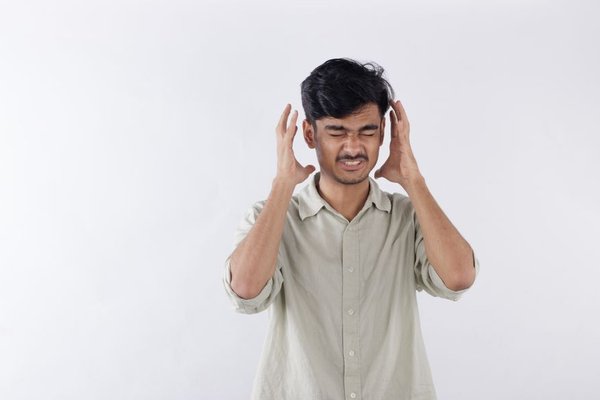
Stress does not always announce itself as “feeling stressed.” For some people, the first clue is a tight jaw or a recurring headache. For others, it is lying awake with racing thoughts, becoming unusually irritable, forgetting simple things, or feeling that ordinary tasks suddenly require more effort. Recognising stress symptoms early can help you connect changes in your body and mind with the pressures around you.
Stress is a normal response to pressure or challenge. Problems are more likely when pressure feels relentless, recovery time is limited, or symptoms begin to interfere with sleep, work, relationships or everyday routines.
What Stress Can Feel Like in the Body
Physical stress symptoms can develop as the body prepares to respond to a perceived threat or demand. Stress hormones such as adrenaline can affect alertness, heart rate, breathing and muscle tension. When pressure continues, the body may feel as though it rarely gets a chance to switch off.
Headaches, Muscle Tension and Aches
Tense shoulders, neck stiffness, jaw clenching and headaches are common signs of stress. You may notice discomfort after demanding meetings, difficult conversations or days spent rushing between tasks.
Stomach and Digestive Changes
Stress can affect digestion, leading to an upset stomach, nausea, indigestion, bloating or changes in bowel habits. Appetite can change too. You might skip meals because you feel too wound up to eat, or eat more than usual for comfort or energy.
Heart Rate, Breathing and Dizziness
A faster heartbeat, palpitations, sweating, shallow breathing or feeling light-headed can occur during stress. However, chest pain, severe breathlessness, fainting or other worrying physical symptoms should not simply be assumed to be stress. Seek appropriate medical help if symptoms are new, severe or persistent.
Sleep and Energy Problems
Stress can make it difficult to fall asleep, stay asleep or wake feeling refreshed. Poor sleep can then make concentration, patience and emotional regulation harder, creating a cycle in which stress and tiredness reinforce each other.
Emotional and Mental Stress Symptoms
Emotional stress symptoms can be easy to overlook. You may feel more impatient, worried or overwhelmed without immediately linking the change to pressure.
Irritability, Worry and Feeling Overwhelmed
Becoming snappy with family members, feeling unusually tearful, worrying constantly or sensing that you cannot cope with your usual responsibilities can all be stress-related.
Racing Thoughts and Difficulty Concentrating
Stress can make thoughts feel crowded. You may jump from one concern to another, struggle to make decisions or reread the same email several times without taking it in.
Behaviour Changes Can Be an Early Warning Sign
Sometimes the clearest signs of stress appear in what you start doing differently. You might withdraw from friends, avoid tasks, cancel plans, work much longer hours, exercise less, eat differently or rely more heavily on alcohol, cigarettes or other substances.
Consider a practical example: you have a demanding week at work and initially notice only a stiff neck. A few days later, you are checking emails late at night, sleeping badly and snapping at people over minor issues. None of those symptoms alone proves that stress is the cause. Seen together, and timed with an obvious period of pressure, they form a useful pattern.
What Chronic Stress Signs Can Look Like
Chronic stress signs are less about one dramatic symptom and more about a pattern that does not properly resolve. You may feel tired even after resting, remain tense on days off, experience repeated headaches or stomach problems, or notice that worry and irritability have become a normal background state. Long-lasting stress can also worsen existing physical or mental health problems.
A useful way to spot a pattern is to keep a brief note for a week or two. Record when symptoms appear, what was happening beforehand, how you slept and whether anything helped. The aim is not to diagnose yourself but to notice connections. If headaches repeatedly follow high-pressure afternoons, or racing thoughts are strongest after checking work messages in bed, that information can suggest practical changes and make conversations with a healthcare professional more useful.
Once you recognise the pattern, related topics such as how to manage stress, signs of work stress and burnout symptoms can help you explore sensible next steps.
When Stress Symptoms Need More Attention
Stress is common, but you do not have to wait until you reach breaking point before seeking support. Consider speaking with a GP or another qualified healthcare professional if symptoms are persistent, worsening, difficult to manage, or interfering with daily life. Support is also worth seeking if you are increasingly using alcohol or other substances to cope, or if stress is accompanied by significant anxiety or low mood.
Some symptoms associated with stress can have unrelated medical causes. New or severe physical symptoms should be assessed on their own merits rather than automatically explained away as stress. If you feel unable to keep yourself safe or need urgent mental health support, seek emergency or crisis help in your area.
Frequently Asked Questions
What are the most common stress symptoms?
Common symptoms include headaches, muscle tension, stomach problems, sleep changes, irritability, constant worry, difficulty concentrating, feeling overwhelmed and changes in appetite or behaviour. The exact combination varies from person to person.
Can stress cause physical symptoms even if I do not feel anxious?
Yes. Stress can show up physically even when you would not describe yourself as anxious. Headaches, tense muscles, digestive changes, palpitations or sleep problems may be among the first things you notice.
How can I tell whether my symptoms are caused by stress?
Look for patterns between symptoms and periods of pressure, but avoid self-diagnosing. Stress symptoms overlap with many medical and mental health conditions. If symptoms persist, worry you or affect normal life, a healthcare professional can help assess other possible causes.
Do stress symptoms go away when the stressful situation ends?
They often ease as pressure reduces and the body has time to recover. If symptoms continue long after the trigger has passed, keep returning or become more severe, it is sensible to seek advice rather than simply pushing through.
Recognising the Pattern Is the Useful First Step
Stress can affect the body, emotions, thinking and behaviour at the same time, which is why it can be easy to miss when you focus on one symptom in isolation. A headache may seem unrelated to poor sleep, and irritability may feel separate from racing thoughts, yet together they can reveal a broader pattern of strain.
Pay attention to what has changed from your usual baseline, how long the changes have lasted and whether they ease when pressure reduces. Recognising the signs does not mean assuming every symptom is caused by stress. It means giving yourself enough information to respond earlier, make practical adjustments and seek professional help when symptoms are persistent, severe or difficult to manage.