
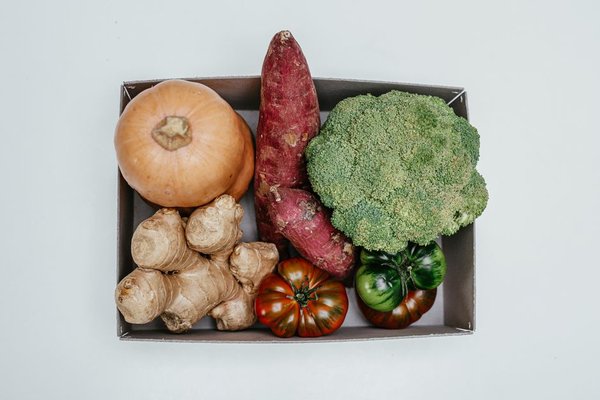
Interest in fibre has moved well beyond bran cereal and digestive biscuits. More people are looking at everyday foods that support regular digestion, feed the gut microbiome and make it easier to reach the UK fibre recommendation without relying on supplements. The useful part is that most high fibre foods for gut health are ordinary supermarket staples: oats, wholemeal bread, beans, lentils, fruit, vegetables, nuts, seeds and potatoes with their skins on.
For people aged 16 and over, the UK recommendation is about 30g of fibre a day. Many people fall well short, so consistent food swaps can make a meaningful difference. The aim is to build a varied digestive health diet that your gut can tolerate comfortably.
Why Fibre Matters for Gut Health
Dietary fibre is the part of plant foods that is not fully digested in the small intestine. Different fibres behave differently. Some add bulk to stools, some hold water, and some are fermented by bacteria in the large intestine. That fermentation can produce short-chain fatty acids, while certain prebiotic fibres provide fuel for beneficial gut bacteria.
This is why variety matters. Eating only one very high-fibre product does not give you the same range of plant fibres as combining wholegrain foods, pulses, vegetables, fruit, nuts and seeds across the week. Fibre also helps normal bowel function and can reduce the risk of constipation when it is paired with enough fluid.
Wholegrains Are an Easy Everyday Foundation
Wholemeal bread, porridge oats, wholewheat pasta, brown rice, bulgur wheat and higher-fibre breakfast cereals are among the simplest ways to increase fibre intake in the UK. They fit into meals people already eat, so the change does not need to feel like a special gut-health diet.
Breakfast is a particularly easy place to start. Swap a low-fibre cereal for porridge or a wholegrain cereal, then add fruit, nuts or seeds. At lunch, choose wholemeal bread or a wholegrain wrap. At dinner, rotate brown rice, wholewheat pasta, barley or bulgur instead of always using refined grains.
Beans, Lentils and Chickpeas Deliver a Big Fibre Boost
Pulses are some of the most useful gut friendly foods because they combine fibre with plant protein. Lentils work well in soups, dals, curries and pasta sauces. Chickpeas can go into salads, traybakes or hummus, while beans can bulk out chilli, stews and jacket potato fillings.
You do not need to redesign your diet around them. Try replacing part of the mince in a chilli or bolognese with lentils or beans. That single change can increase fibre while keeping the meal familiar and filling.
Fruit and Vegetables Add Different Types of Fibre
Apples, pears, berries, oranges, bananas, carrots, broccoli and peas all contribute fibre alongside vitamins and plant compounds. Keeping edible skins on fruit and vegetables can increase fibre further.
A practical approach is to attach produce to meals you already eat. Add berries or banana to breakfast, include vegetables at lunch, serve at least two types of vegetables with dinner, and use fruit as a snack or dessert. Variety is more useful than repeatedly choosing the same “superfood.”
Potatoes Can Be a High-Fibre Choice
Potatoes are often overlooked when people think about fibre. A baked potato or boiled new potatoes with their skins on can make a useful contribution, especially when paired with beans, vegetables or a salad.
For example, a jacket potato with baked beans and a side salad is a simple UK lunch that combines several fibre sources in one plate. It is the combination of potato skin, beans and vegetables that makes the meal more useful than focusing on one ingredient alone.
Nuts and Seeds Add Fibre in Small Portions
Almonds, peanuts, walnuts, chia seeds, flaxseed and sunflower seeds can all help increase fibre without adding much volume to a meal. Sprinkle seeds over porridge or yoghurt, add chopped nuts to fruit, or use nut butter on wholemeal toast.
Portion size still matters because nuts and seeds are energy-dense. Choose mostly unsalted versions and use them as part of a balanced diet rather than treating them as unlimited snacks.
How to Reach 30g Without Making Your Gut Miserable
If your usual diet is low in fibre, jumping straight to 30g or more can cause wind, bloating or discomfort. Increase intake gradually and drink enough fluid. Your digestive system may need time to adapt, especially if you suddenly add large amounts of beans, bran or seeds.
A realistic day could begin with wholemeal toast, peanut butter and an orange, followed by a lentil and wholewheat pasta lunch, then a skin-on potato with vegetables at dinner. NHS examples show that meals built this way can bring you close to or above the 30g target without using fibre powders.
Read Food Labels Rather Than Trusting Front-of-Pack Claims
When comparing packaged foods, check the nutrition panel for fibre per 100g and per serving. In the UK, a food containing 6g or more of fibre per 100g can be described as high in fibre. That can help when choosing cereals, breads, crackers or snack products.
Do not assume a product marketed for gut health is automatically a better choice than basic whole foods. Compare fibre, added sugars, salt, serving size and the overall ingredient list.
When More Fibre Is Not Always Better
Most people benefit from eating more fibre, but some digestive conditions need a more individual approach. People with IBS, inflammatory bowel disease, bowel narrowing or persistent digestive symptoms may tolerate certain fibres better than others. If increasing fibre repeatedly causes significant pain, diarrhoea, constipation or bloating, speak with a GP or registered dietitian rather than forcing your intake higher.
Useful related reading includes guides to prebiotic foods, constipation-friendly eating and healthy wholegrain choices.
Frequently Asked Questions
How much fibre should adults eat in the UK?
The UK recommendation is an average intake of about 30g of dietary fibre a day for people aged 16 and over. Younger children have lower age-based targets.
What are the best foods for increasing fibre?
Good everyday choices include wholemeal bread, oats, wholewheat pasta, beans, lentils, chickpeas, fruit, vegetables, skin-on potatoes, nuts and seeds. A mixture of sources is better than relying on one food.
Should I take a fibre supplement for gut health?
Many people can reach their target through food. Supplements can be useful in specific situations, but they do not provide the same range of nutrients and plant foods as a varied diet. Ask a healthcare professional if you are considering supplements for ongoing digestive symptoms.
Why does fibre sometimes cause bloating?
Some fibres are fermented by gut bacteria, which can produce gas. A sudden increase may therefore cause bloating or wind. Increase fibre gradually, spread it across the day and keep fluid intake adequate.
Build Fibre Into Meals, Not Just Snacks
The most sustainable way to improve fibre intake is to make it part of normal meals. Choose wholegrains more often, add pulses several times a week, keep edible skins on potatoes and produce where suitable, and rotate different fruits, vegetables, nuts and seeds. That steady variety supports digestion far better than chasing a single fashionable ingredient, and it makes the UK 30g target much more achievable.