
Flu has a way of arriving quietly. One person at work starts coughing, a child brings home a fever from school, or a crowded bus ride suddenly feels a little too close. Before long, the familiar signs begin to appear around us: tissues on desks, missed appointments, tired faces, and that uneasy question in the back of the mind — am I next?
The flu may be common, but that does not make it harmless. Seasonal influenza can leave even healthy people feeling drained for days, and for older adults, young children, pregnant women, and people with certain health conditions, it can become much more serious. That is why practical, everyday flu prevention strategies matter. They are not about living in fear or avoiding normal life. They are about making small, sensible choices that reduce risk before illness has a chance to spread.
Understanding Why Flu Spreads So Easily
Influenza is a respiratory infection, which means it mainly spreads through droplets and tiny particles released when an infected person coughs, sneezes, talks, or even breathes nearby. It can also spread when someone touches a contaminated surface and then touches their eyes, nose, or mouth.
Part of what makes flu tricky is timing. A person may spread the virus before they feel noticeably sick, and some people continue to pass it on while they are still recovering. This is why prevention cannot depend only on avoiding people who look ill. In real life, we often do not know who is contagious.
That does not mean prevention is impossible. It simply means the best approach is layered. No single habit offers perfect protection, but several habits together can make a meaningful difference.
Vaccination Remains the First Line of Defense
Among all flu prevention strategies, annual flu vaccination remains one of the most important. Flu viruses change over time, so vaccines are updated to better match the strains expected to circulate during each season. Getting vaccinated does not guarantee that you will never catch the flu, but it can lower your risk of illness and may reduce the chances of severe symptoms, complications, hospitalization, or prolonged recovery.
The best time to think about flu vaccination is before flu activity is widespread in your area. Many people get vaccinated in early fall, but the useful window can vary depending on location and local flu patterns. What matters most is not waiting until everyone around you is already sick.
Vaccination is especially important for people at higher risk of complications, including older adults, young children, pregnant people, and those with chronic conditions such as asthma, heart disease, diabetes, or weakened immune systems. For families, vaccination can also protect vulnerable relatives indirectly. A healthy adult may recover from flu in a week, but the same virus can be much harder on a grandparent, newborn, or someone undergoing medical treatment.
Hand Hygiene Still Deserves Attention
Handwashing sounds basic, almost too simple to mention, yet it remains one of the most dependable habits for reducing the spread of germs. The problem is not that people do not know about handwashing. It is that, during busy days, they often rush through it.
A proper wash with soap and water should take long enough to clean the palms, backs of hands, between fingers, and under nails. After coming home from public places, before eating, after using the bathroom, and after coughing or sneezing, clean hands matter more than we sometimes realize.
When soap and water are not available, an alcohol-based hand sanitizer can help. It is not a perfect substitute for visibly dirty hands, but it is useful in cars, offices, classrooms, travel bags, and public spaces. The goal is to interrupt the quiet transfer of germs from shared surfaces to the face.
The Face-Touching Habit Is Worth Breaking
Most people touch their face far more often than they notice. A quick rub of the eye, a scratch near the nose, a hand resting against the mouth while reading — these tiny movements can give viruses an easy path into the body.
One of the more realistic flu prevention strategies is not trying to become perfectly disciplined overnight. Instead, build awareness. Keep tissues nearby. Use lip balm if dry lips make you touch your mouth often. Clean your hands before meals and after public contact. During flu season, small adjustments like these can reduce the number of times germs get a direct invitation in.
Staying Home When Sick Protects More Than You Think
Many people try to push through the flu. They tell themselves it is just tiredness, just a cold, just one important meeting. But flu is not only about how strong someone feels. It is about how easily illness can move from one person to another.
Staying home when you are sick is one of the most considerate and effective prevention steps. It gives your body time to rest, and it protects coworkers, classmates, neighbors, and strangers who may be more vulnerable than you are.
This can be difficult, especially for people with demanding jobs, caregiving responsibilities, or limited sick leave. Still, when possible, reducing contact during fever, heavy coughing, chills, body aches, and early recovery can help prevent a wider chain of illness. A day or two of caution may save several others from a miserable week.
Respiratory Etiquette Makes Public Spaces Safer
Covering coughs and sneezes is not just polite; it is practical. The best approach is to cough or sneeze into a tissue, throw it away, and clean your hands afterward. If no tissue is available, using the inside of the elbow is better than coughing into bare hands.
This habit is especially important in shared spaces: classrooms, offices, buses, waiting rooms, shops, and family gatherings. Flu spreads fastest where people are close together, and one uncovered sneeze can travel farther than we like to imagine.
Good respiratory etiquette also includes being honest about symptoms. If you are coughing heavily, feeling feverish, or clearly unwell, it may be better to skip a gathering, wear a well-fitting mask in necessary public settings, or keep distance from others. These choices are not dramatic. They are simply thoughtful.
Cleaner Air Can Reduce Risk Indoors
Flu season often overlaps with colder months in many regions, when people spend more time indoors with windows closed. That can make it easier for respiratory viruses to move through shared air.
Improving ventilation does not always require expensive equipment. Opening a window when weather allows, using exhaust fans, avoiding overcrowded indoor rooms, and spending time outdoors when possible can all help. In homes, schools, and workplaces, cleaner indoor air is becoming an increasingly important part of respiratory illness prevention.
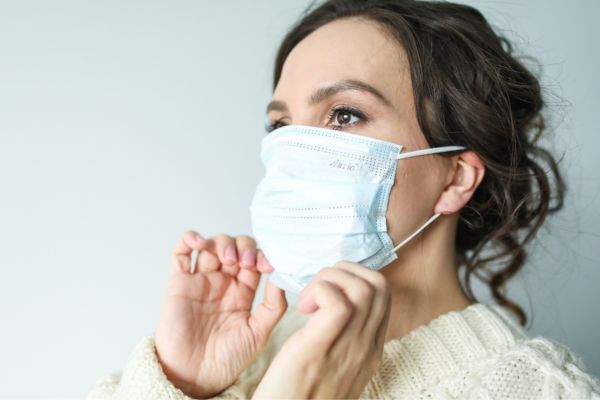
Masks can also add protection in certain situations, especially in crowded indoor spaces, healthcare settings, or when caring for someone who is sick. They are not the only answer, but they can be useful as part of a layered approach.
Sleep, Nutrition, and Stress Are Part of Prevention Too
Flu prevention is not only about avoiding germs. It is also about supporting the body that has to respond when germs appear.
Poor sleep can make people feel run down and less resilient. Skipping meals, living on sugary snacks, or staying constantly stressed can also leave the body struggling. A balanced routine cannot create a magic shield against flu, but it helps keep the immune system functioning as well as possible.
Simple habits matter here: regular sleep, enough water, nourishing meals, moderate physical activity, and time to recover from stress. These are not glamorous strategies, but they are the kind that quietly build strength over time.
Protecting the Household During Flu Season
When one person in a home gets the flu, prevention shifts from avoiding exposure to limiting spread. The sick person should rest in a separate space if possible, use separate towels, avoid sharing cups and utensils, and cover coughs carefully. Frequently touched surfaces such as doorknobs, light switches, phones, faucets, and remote controls should be cleaned regularly.
Caregivers should wash hands often and avoid touching their face after contact with tissues, bedding, or dishes used by the sick person. If someone in the household is at high risk of complications, it is wise to contact a healthcare professional early for guidance. Antiviral medicines may be recommended in some cases, especially when started soon after symptoms begin.
At home, kindness matters too. Prevention should not feel like blame. The flu moves quickly, and anyone can catch it. The aim is to care for the sick person while keeping the rest of the household as protected as possible.
Knowing When to Take Symptoms Seriously
Most flu cases improve with rest, fluids, and time, but some symptoms need medical attention. Difficulty breathing, chest pain, confusion, severe weakness, dehydration, bluish lips, symptoms that improve and then return worse, or a high fever that does not settle should not be ignored.
Parents should watch children closely for fast breathing, trouble waking, poor fluid intake, persistent fever, or unusual irritability. Older adults and people with chronic health conditions should also be cautious, because flu complications can develop faster in vulnerable groups.
Prevention is ideal, but early action after illness begins can also protect health.
Conclusion: Prevention Works Best When It Feels Practical
Flu prevention does not require perfection. It asks for awareness, consistency, and a little respect for how easily respiratory viruses move through everyday life. A vaccine before the season builds, clean hands after public contact, better indoor air, staying home when sick, and protecting vulnerable people — these habits may seem ordinary, but together they create a strong line of defense.
The best flu prevention strategies are the ones people can actually keep using. They fit into school mornings, workdays, family visits, travel, and the messy rhythm of real life. Flu may return every season, but our response does not have to be careless or rushed. With thoughtful habits, we can move through the season with more confidence, fewer sick days, and a greater sense of responsibility for the people around us.